Impact in numbers

Two decades of evidence — mapped, counted and put to work.

A visual summary of where the research went, what it was about, who it was done with, and how that translates into the advisory work I offer today.

1,050+

Citations (Google Scholar)

18

h-index · i10-index 28

40+

Peer-reviewed papers since 2004

30+

Countries worked in or presented

Global footprint

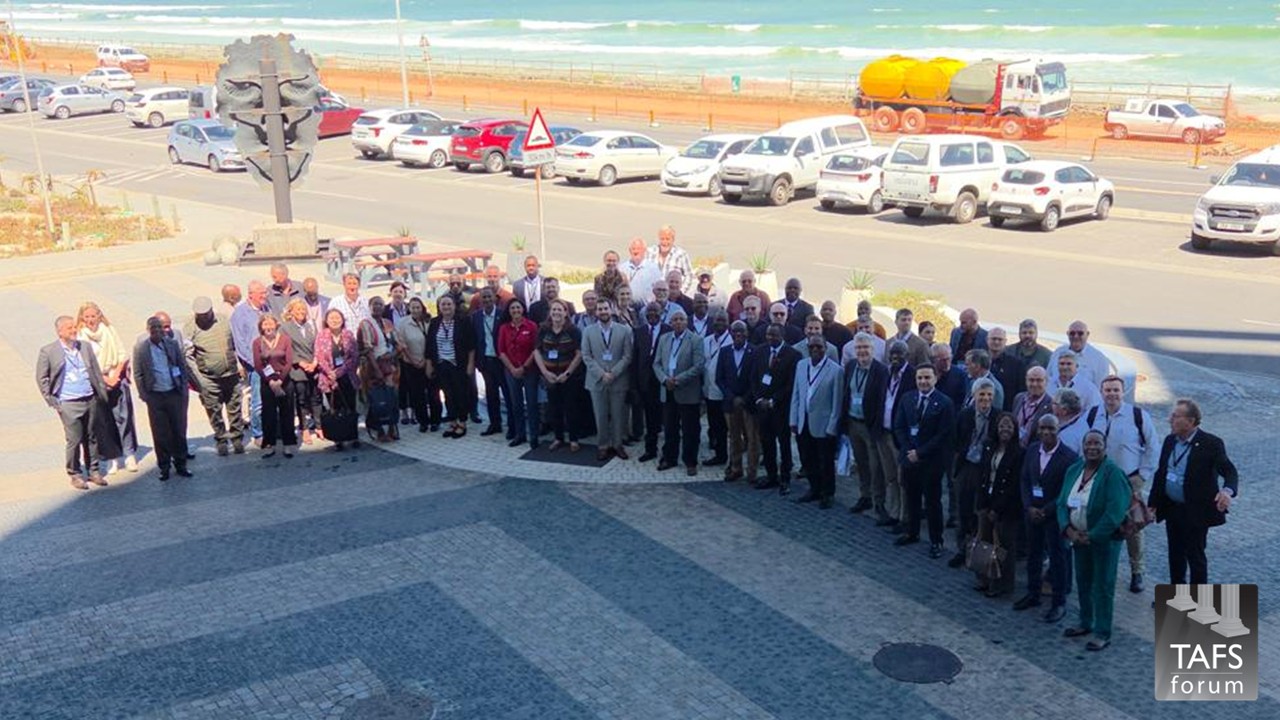
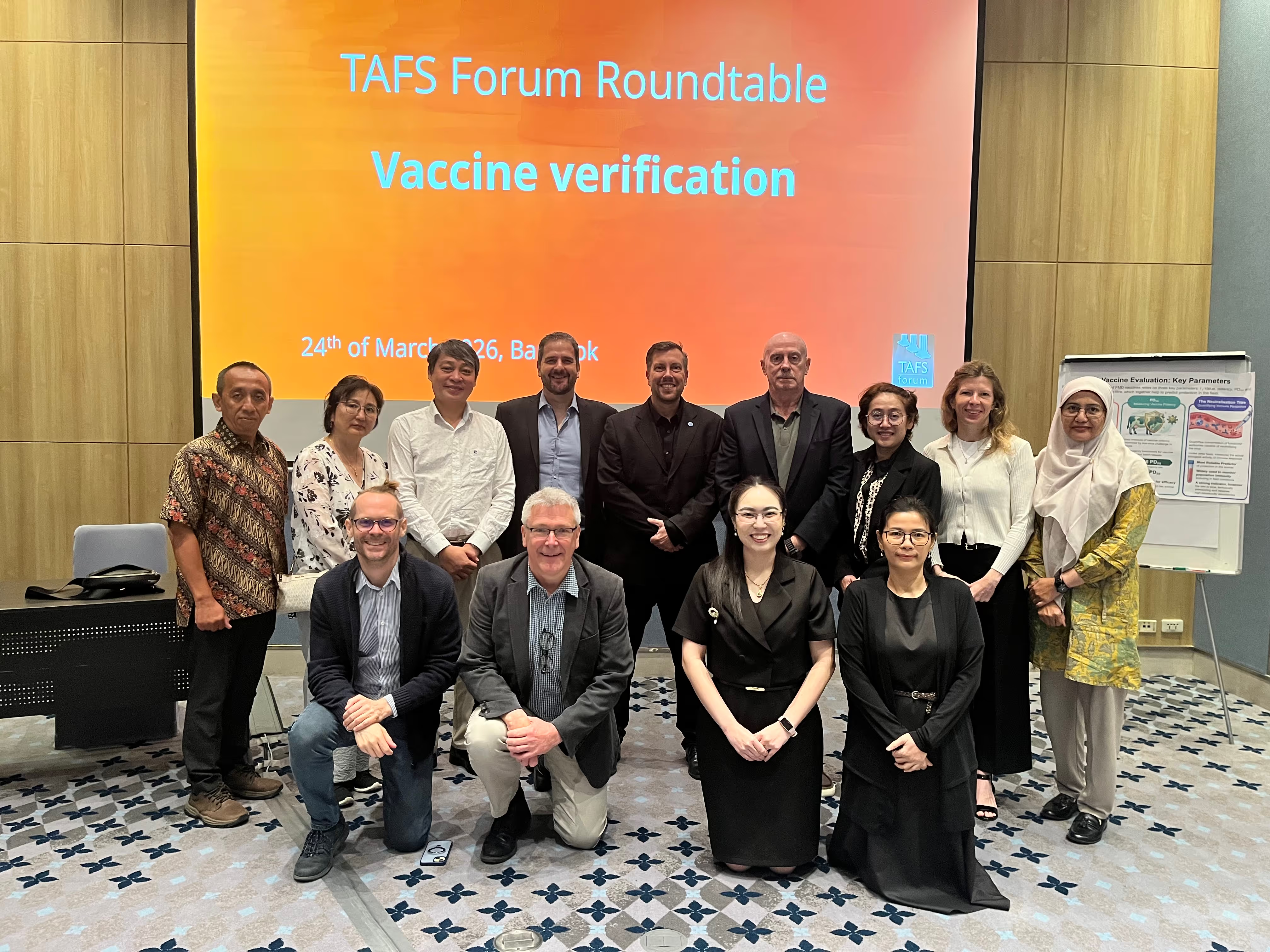
Institutions, duty stations and podiums

From Wageningen and Edinburgh to Rome, Riyadh, Bangkok and Sydney — the places where the research was built and where it was argued in public.

Institutions & duty stationsConferences & invited talksHover a point for detail

Citations per year

Google Scholar record: 1052 citations in total (585 since 2021), h-index 18, i10-index 28.

View the full Scholar profile

What I publish on

Research themes across the body of work, by number of outputs.

Methods toolkit

The analytical techniques that recur across the portfolio.

Where the work appears

Most-frequent journal outlets across the portfolio.

  • Frontiers in Veterinary Science7
  • Preventive Veterinary Medicine4
  • Agricultural Systems3
  • Journal of Agricultural Science2
  • Animal2
  • Veterinary Record2

Impact portfolio

Research translated into decisions

My work connects veterinary science, economics and policy. Its impact is not defined by one publication, but by a body of evidence used to understand disease losses, compare interventions, design investment cases and improve decisions across livestock and food systems.

FAO · 2026

Rapid economic impact assessment of FMD serotype SAT1 in Asia and the Pacific

A standardised assessment across 33 countries; under an unchecked spread scenario modelled direct-loss exposure reaches the order of USD 6 billion per year.

Role
Lead contributing author
Context
33 countries · Asia and the Pacific · FAO Focus On No. 14

Why it matters

Preparedness budgets are small relative to the modelled loss exposure, which gives ministries and donors a basis for financing early detection and rapid response ahead of large-scale outbreaks.

Modelled scenarios, simplified for the web from the published assessment.
World Bank · 2026

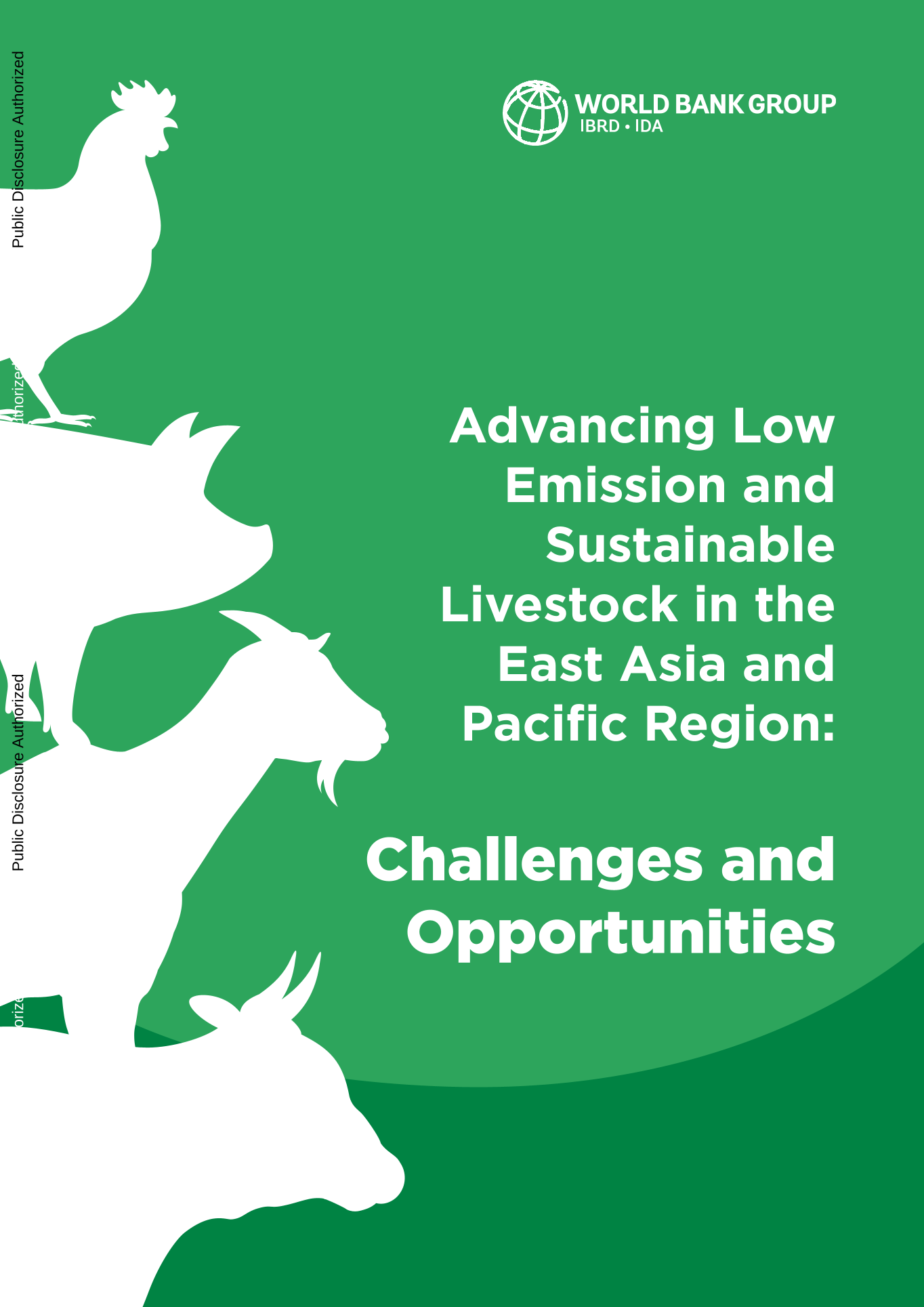
Advancing Low Emission and Sustainable Livestock in East Asia and the Pacific

Cover of the World Bank report Advancing Low Emission and Sustainable Livestock in the East Asia and Pacific Region

Sets out how livestock development, food security, climate resilience and public health can be pursued together rather than traded off.

Role
Contributing author
Context
Regional report · East Asia and Pacific

Why it matters

Gives governments and financiers a sequencing logic: which low-emission livestock measures fit a country's development stage, and where co-benefits are largest.

EC JRC · Science for Policy

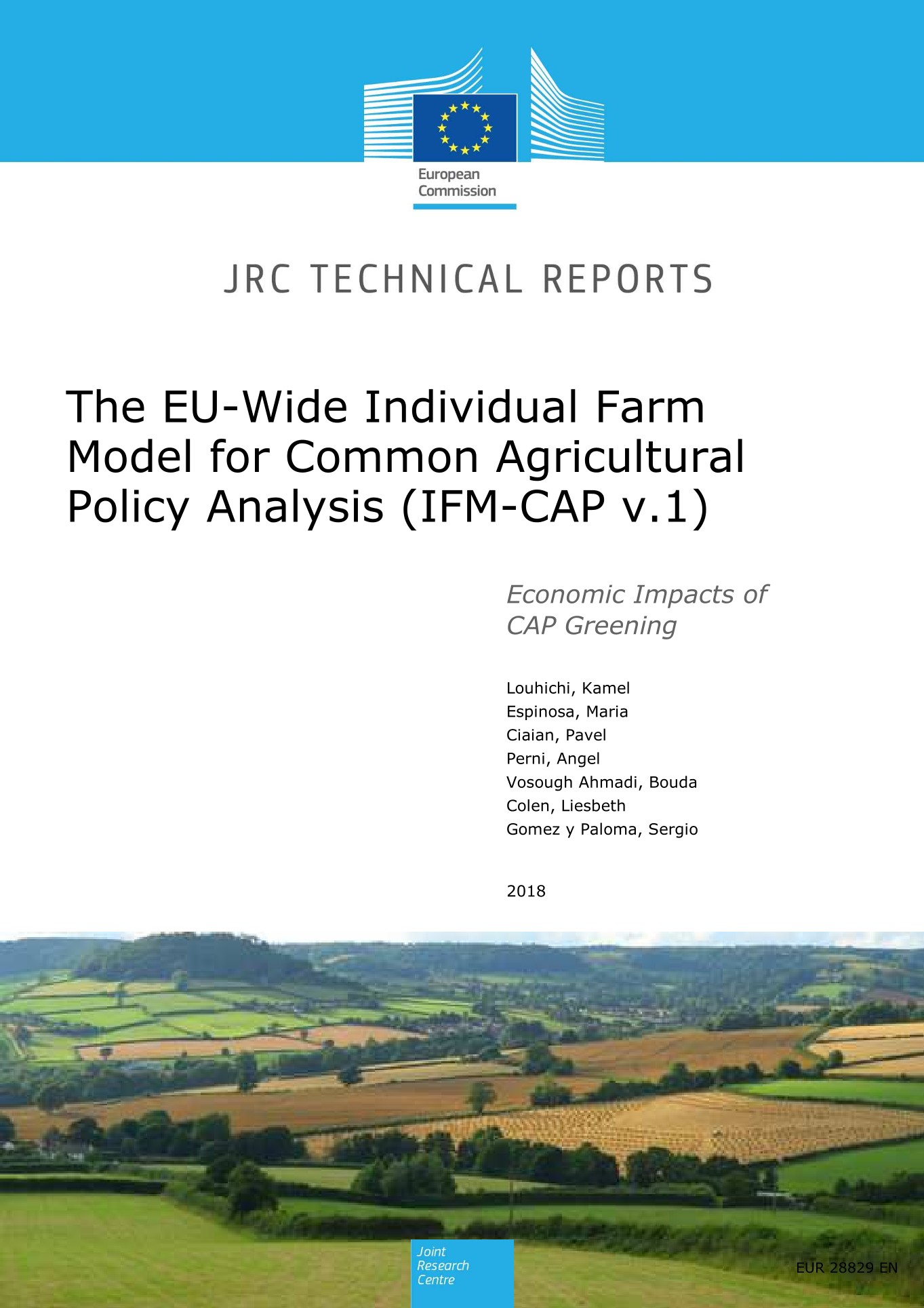
IFM-CAP: the EU-wide individual farm model

Cover of the JRC science for policy report on IFM-CAP v.1

An EU-wide micro-simulation model built on 83,292 representative FADN farms, covering the full European farm population.

Role
Co-author
Context
European Commission Joint Research Centre · EU-27

Why it matters

Moves CAP analysis from average farm types to the distribution of real farms, so reform and greening measures can be assessed by who gains and who loses.

CABI · 2026

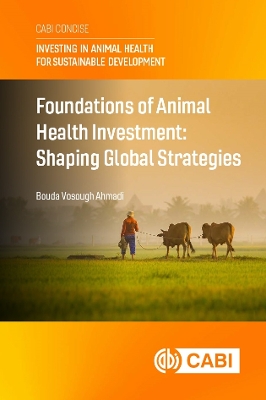
Foundations of Animal Health Investment: Shaping Global Strategies

Cover of Foundations of Animal Health Investment (CABI, 2026)

Frames animal health as an investment decision rather than only a loss-estimation exercise — part of the Investing in Animal Health for Sustainable Development series.

Role
Lead editor
Context
CABI Concise · global scope

Why it matters

Gives ministries, development banks and private investors a shared vocabulary for structuring, appraising and financing animal-health interventions.

CABI · 2020

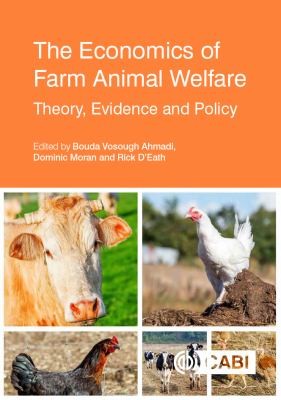
The Economics of Farm Animal Welfare: Theory, Evidence and Policy

Cover of The Economics of Farm Animal Welfare (CABI, 2020)

Brings welfare into economic analysis — valuation, market signals, standards and the costs of higher-welfare production.

Role
Co-editor (with Dominic Moran and Rick D'Eath)
Context
CABI · UK and EU policy context

Why it matters

Connects welfare objectives to markets and regulation, so standards and support schemes can be designed with their cost and demand consequences in view.

ISVEE 17 · 2024

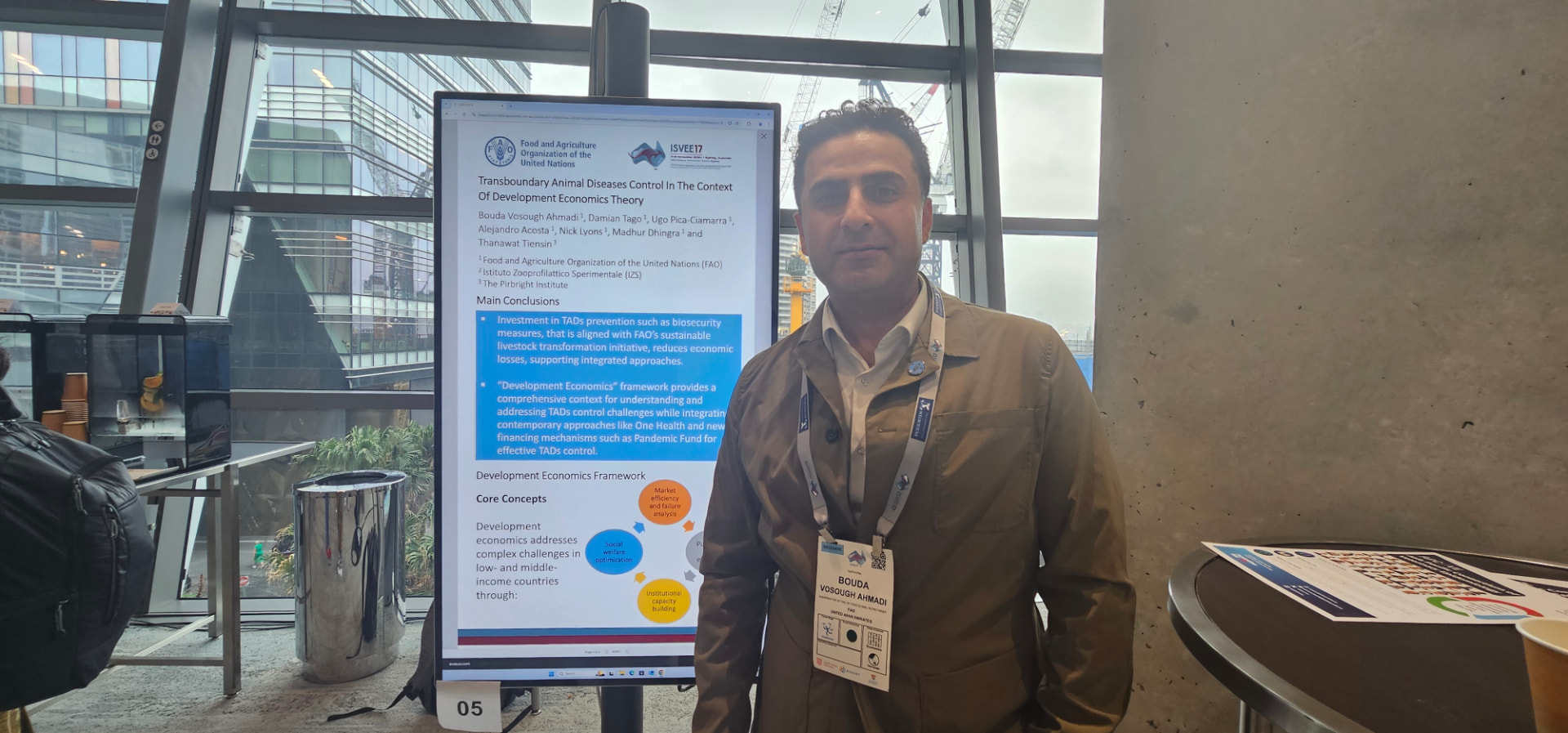
Transboundary animal disease control in the context of development economics theory

Presenting transboundary animal disease work at ISVEE 17 in Sydney

Positions TAD control as a development-economics problem — public goods, externalities and incentives — rather than a purely technical veterinary task.

Role
Lead author · oral presentation, health policy and capacity building
Context
17th ISVEE Symposium · Sydney, Australia

Why it matters

Helps explain why regionally coordinated financing and incentives matter more than country-by-country technical fixes in transboundary disease control.

Research-to-decision pathway

Evidence → Options → Investment case → Better decisions

Select a project to see how the analysis moves from data to a decision it can support.

Rapid economic impact assessment of FMD serotype SAT1 in Asia and the Pacific

  1. 01

    Evidence

    Outbreak reporting, livestock populations and production values across 33 countries.

  2. 02

    Options

    Vaccination, surveillance intensity, movement control and emergency response packages.

  3. 03

    Investment case

    Risk-adjusted loss exposure by spread scenario, set against preparedness costs.

  4. 04

    Better decisions

    Provides evidence for prioritising preparedness spending and vaccine-bank planning.

The final stage describes the decisions this work is designed to support. It is not a claim that a specific policy was adopted as a result.

Selected evidence and tools

Six contributions, what each adds and the decision it speaks to. Every row links to its original public source.

Sources and interpretation

Every item links to its original public source — FAO, the World Bank, the European Commission JRC, CABI, DOI records and official conference pages. Charts shown here are simplified reconstructions of published results, prepared for the web; the underlying figures, assumptions and country detail sit in the linked publications. Modelled scenarios are labelled as such and are not measured outcomes. Where downstream policy influence is not publicly documented, the text describes what the work supports or informs rather than claiming an outcome.

Capacity development

Growing capability, not only citations

Research impact also travels through people. Alongside publications and advisory work, I have supervised PhD and MSc research and currently supervise three MSc students, helping emerging researchers connect rigorous analysis with real animal-health and policy questions.

MSc researcher · in progress

Economics of animal disease control

Applying cost–benefit thinking to a disease-control question, with emphasis on transparent assumptions.

MSc researcher · in progress

Livestock systems and policy analysis

Using farm and sector data to compare policy or investment options rather than single interventions.

MSc researcher · in progress

Evidence for decision-making

Translating analytical results into a form usable by decision-makers and programme designers.

  1. 01

    Research question

    A real animal-health or policy problem, framed so it can be answered.

  2. 02

    Method

    Bio-economic modelling, cost–benefit analysis or risk assessment, chosen to fit the question.

  3. 03

    Evidence

    Transparent results with assumptions and uncertainty stated.

  4. 04

    Policy relevance

    What a ministry, agency or investor could do differently with the answer.

Student names, institutions and dissertation titles are not published here.

Collaboration network

The institutions behind the evidence

United Nations & multilateral

  • FAO
  • WOAH (OIE)
  • World Bank
  • IFAD
  • EuFMD
  • GF-TADs

Research & academia

  • Wageningen University
  • SRUC, Edinburgh
  • European Commission JRC
  • CGIAR / ILRI
  • University of Zurich

Government & agencies

  • UK Defra
  • Scottish Government
  • APHA
  • Food Standards Agency
  • RSPCA

Networks & societies

  • ISESSAH
  • TAFS Forum
  • EAAE
  • Agricultural Economics Society
  • GALVmed IMEC

Services

How that experience is applied

Economic impact assessment

Rapid and full assessments of disease outbreaks — direct losses, trade effects and value-chain ripple costs.

Strategy & roadmap design

Regional and national control strategies for FMD, ASF, PPR and HPAI, aligned to progressive control pathways.

Cost–benefit & investment cases

Return-on-investment analysis for vaccination, surveillance and biosecurity programmes for donors and ministries.

Bio-economic modelling

Custom farm- and sector-level models in R and GAMS, including IFM-CAP-style policy simulation.

One Health governance advice

Institutional arrangements, public–private partnerships and results frameworks for veterinary services.

Capacity building & facilitation

Training, e-learning design and high-level multi-stakeholder facilitation for governments and RECs.

Looking for an economic case, a control strategy or an independent review?

Start a conversation
Outstanding Reviewer Award 2025 (Food Policy) · Frontiers in Veterinary Science Excellence Award 2025 · GALVmed IMEC member